
Are you thinking of moving to Ho Chi Minh City, Vietnam? If so, you are not alone. Ho Chi Minh City, or Saigon, is one of the most dynamic and vibrant cities in Southeast Asia. It attracts thousands of expats every year who come to enjoy its rich culture, delicious cuisine, friendly people, and low cost of living.
However, moving to a new country can also be challenging and overwhelming. There are many things to consider and prepare before you pack your bags and board the plane. In this article, we will provide you with a complete guide for foreigners to moving to Ho Chi Minh City, Vietnam. We will cover topics such as:
- How to get a visa and work permit
- How to find an apartment and furnish it
- How to get around the city and use public transportation
- How to access health care and insurance
- How to learn Vietnamese and adapt to the local culture
- How to find a job and network with other expats
- How to enjoy the best of Ho Chi Minh City’s food, entertainment, and attractions
We will also share some tips and resources to help you make the most of your expat life in Ho Chi Minh City. Whether you are planning to stay for a few months or a few years, this guide will help you settle in and thrive in this amazing city.
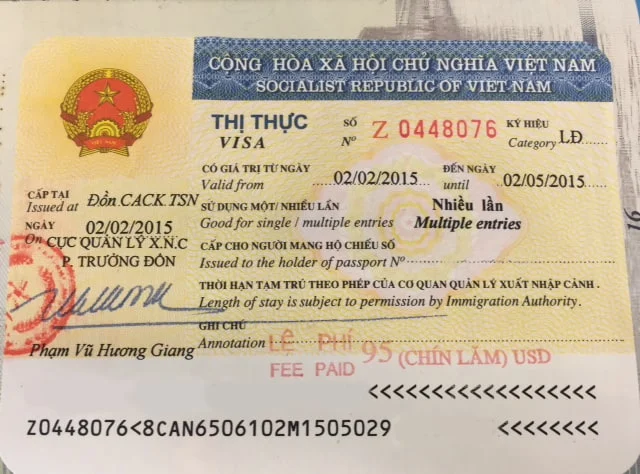
How to Get a Visa and Work Permit
The first step to moving to Ho Chi Minh City is to obtain a visa and a work permit. Depending on your nationality, purpose, and duration of stay, there are different types of visas available for foreigners. Some of the most common ones are:
- Tourist visa: This visa allows you to stay in Vietnam for up to 30 days. You can apply for it online or at a Vietnamese embassy or consulate in your home country. You will need to provide a passport, a passport photo, an application form, and a fee. Some nationalities are eligible for a visa exemption or a visa on arrival, which means you can get your visa at the airport upon arrival. You can check the list of eligible countries and the requirements here.
- Business visa: This visa allows you to stay in Vietnam for up to 12 months. You can apply for it online or at a Vietnamese embassy or consulate in your home country. You will need to provide a passport, a passport photo, an application form, a fee, and an invitation letter from a Vietnamese company or organization. You can also get a visa on arrival if you have a pre-approved letter from the immigration department. You can check the details and the fees here.
- Work visa: This visa allows you to work legally in Vietnam for up to 24 months. You can apply for it at a Vietnamese embassy or consulate in your home country or in Vietnam if you already have a business visa. You will need to provide a passport, a passport photo, an application form, a fee, and a work permit. To get a work permit, you will need to have a job offer from a Vietnamese employer, a health certificate, a criminal record check, and a degree or professional certificate. You can check the requirements and the process here.
It is important to note that the visa and work permit regulations
How to Get Around the City and Use Public Transportation
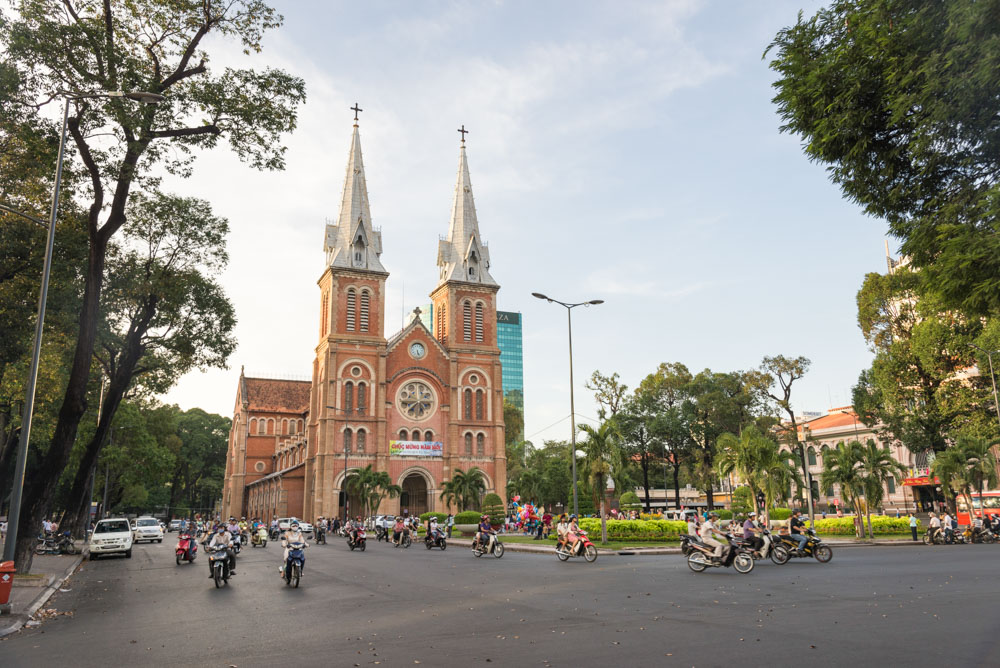
One of the most important and challenging aspects of moving to Ho Chi Minh City is getting around the city and using public transportation. Ho Chi Minh City is a large and sprawling city, with a population of over 9 million people and an area of over 2,000 square kilometers. The city is divided into 24 districts, each with its own characteristics and attractions.
The traffic in Ho Chi Minh City is notorious for being chaotic, congested, and unpredictable. There are millions of motorbikes, cars, buses, taxis, and cyclos on the roads, competing for space and honking incessantly. The traffic rules are often ignored or violated, and the road conditions are often poor or under construction. The air pollution and noise levels are also high, especially during peak hours.
However, there are also many ways to get around the city and use public transportation in Ho Chi Minh City. Some of the most common ones are:
- Motorbike: This is the most popular and convenient way to get around the city and use public transportation in Ho Chi Minh City. You can rent or buy a motorbike from various shops, dealers, or online platforms, such as [Tigit Motorbikes], [Rent a Bike Vietnam], or [Facebook groups]. You will need to have a valid driver’s license, a helmet, and a registration card. You can also use a motorbike taxi service, such as [Grab], [Gojek], or [Be]. They are fast, cheap, and easy to use. You can book a ride through their apps and pay by cash or card. However, riding a motorbike in Ho Chi Minh City can also be dangerous, stressful, and exhausting. You will need to be alert, confident, and skilled to navigate the traffic and avoid accidents. You will also need to be aware of the parking rules, fees, and scams.
- Car: This is the most comfortable and safe way to get around the city and use public transportation in Ho Chi Minh City. You can rent or buy a car from various agencies, dealers, or online platforms, such as [Avis], [Hertz], or [Carousell]. You will need to have a valid driver’s license, a passport, and an insurance. You can also use a car taxi service, such as [Vinasun], [Mai Linh], or [Grab]. They are reliable, metered, and available 24/7. You can hail a taxi on the street or call their hotline. You can also book a ride through their apps and pay by cash or card. However, driving a car in Ho Chi Minh City can also be expensive, time-consuming, and frustrating. You will need to pay for the gas, tolls, parking, and maintenance. You will also need to deal with the traffic jams, road works, and parking shortages.
- Bus: This is the most affordable and eco-friendly way to get around the city and use public transportation in Ho Chi Minh City. You can use the public bus system, which covers most of the city and its suburbs. There are over 150 bus routes, with more than 2,000 buses operating daily. You can find the bus stops, schedules, and fares on the official website of the [Ho Chi Minh City Public Transport Management and Operation Center] or on the app [BusMap]. You can pay for the bus ticket by cash or card. You can also use the bus rapid transit (BRT) system, which is a dedicated lane for buses that runs along the Vo Van Kiet Avenue. It connects the western and eastern parts of the city and reduces the travel time and congestion. You can find the BRT stops, schedules, and fares on the app [BRT Saigon]. You can pay for the BRT ticket by cash or card. However, using the bus in Ho Chi Minh City can also be inconvenient, uncomfortable, and confusing. You will need to wait for the bus, which can be late, crowded, or canceled. You will also need to cope with the heat, noise, and pollution. You will also need to be careful of the pickpockets, beggars, and vendors on the bus.
- Metro: This is the most modern and efficient way to get around the city and use public transportation in Ho Chi Minh City. You can use the metro system, which is currently under construction and expected to be completed by 2025. It will consist of six lines, with a total length of 220 kilometers and 85 stations. It will connect the city center with the airport, the industrial zones, the new urban areas, and the neighboring provinces. You can find the metro map, progress, and updates on the official website of the [Ho Chi Minh City Urban Railway Management Board] or on the app [Metro Saigon]. You can pay for the metro ticket by cash or card. However, using the metro in Ho Chi Minh City can also be limited, uncertain, and risky. You will need to wait for the metro, which can be delayed, suspended, or canceled. You will also need to deal with the construction, disruption, and accidents. You will also need to be aware of the safety, security, and regulations on the metro.
How to Access Health Care and Insurance
One of the most essential and challenging aspects of moving to Ho Chi Minh City is accessing health care and insurance. Ho Chi Minh City has a diverse and developing health care system, with a mix of public and private facilities. The quality and availability of the health care services vary depending on the location, specialty, and price.
Some of the most common types of health care facilities in Ho Chi Minh City are:
- Public hospitals: These are the government-run and subsidized hospitals that provide basic and emergency health care services to the general public. They are usually large, crowded, and understaffed. They are also cheap, accessible, and equipped with modern technology. Some of the most reputable public hospitals in Ho Chi Minh City are [Cho Ray Hospital],and Children’s Hospital . You will need to have a health insurance card or pay a fee to use the public hospitals. You will also need to bring your own supplies, such as towels, blankets, and medicines. You will also need to be patient, flexible, and respectful to the staff and the patients.
- Private hospitals: These are the privately-owned and operated hospitals that provide specialized and comprehensive health care services to the expat and affluent community. They are usually small, luxurious, and well-staffed. They are also expensive, convenient, and accredited by international standards. Some of the most popular private hospitals in Ho Chi Minh City are [FV Hospital], [Columbia Asia Hospital], and [Victoria Healthcare]. You will need to have a health insurance plan or pay a fee to use the private hospitals. You will also need to make an appointment, bring your passport, and follow the instructions. You will also need to be prepared, informed, and confident to the staff and the doctors.
- Clinics: These are the independent and specialized health care facilities that provide specific and preventive health care services to the local and expat community. They are usually medium, comfortable, and professional. They are also affordable, reliable, and experienced in their fields. Some of the most common clinics in Ho Chi Minh City are [Family Medical Practice], [International SOS], and [Maple Healthcare]. You will need to have a health insurance plan or pay a fee to use the clinics. You will also need to make an appointment, bring your passport, and fill out a form. You will also need to be honest, cooperative, and attentive to the staff and the doctors.
- Pharmacies: These are the retail and wholesale outlets that sell and dispense medicines and medical supplies to the public. They are usually small, convenient, and friendly. They are also cheap, available, and knowledgeable about their products. Some of the most trusted pharmacies in Ho Chi Minh City are [Pharmacity], [Phano Pharmacy], and [Guardian]. You will need to have a prescription or a recommendation to buy the medicines and the medical supplies. You will also need to check the expiry date, the dosage, and the side effects. You will also need to be careful, cautious, and responsible to the staff and yourself.
To access health care and insurance in Ho Chi Minh City, you can use online platforms such as [Expat.com], [Vietnam Medical Practice]. They can help you find the best health care facility and insurance plan for your health condition, budget, and preference. They can also assist you with the booking, payment, and claim. You can also find more information and reviews on the official websites of the [Ho Chi Minh City Department of Health] or the [Vietnam Social Security].

How to Learn Vietnamese and Adapt to the Local Culture
One of the most rewarding and challenging aspects of moving to Ho Chi Minh City is learning Vietnamese and adapting to the local culture. Ho Chi Minh City has a rich and diverse culture, with influences from China, France, Cambodia, and the US. The city is known for its hospitality, resilience, creativity, and humor.
The official language of Ho Chi Minh City is Vietnamese, which is a tonal and monosyllabic language that uses the Latin alphabet. The language has six tones, which are marked by diacritics on the vowels. The language also has many regional dialects, with the southern dialect being the most widely spoken in Ho Chi Minh City. The language is also influenced by other languages, such as Chinese, French, English, and Khmer.
The culture of Ho Chi Minh City is characterized by its dynamism, diversity, and development. The city is a melting pot of different ethnicities, religions, and lifestyles. The city is also a hub of innovation, entrepreneurship, and entertainment. The city is also a blend of tradition and modernity, with a respect for the past and a vision for the future.
To learn Vietnamese and adapt to the local culture in Ho Chi Minh City, you can use online platforms such as [Duolingo], [VietnamesePod101]. They can help you learn the basics of the language, such as the alphabet, the tones, the grammar, and the vocabulary. They can also help you practice the language, such as the pronunciation, the listening, the speaking, and the writing. You can also find more information and resources on the official website of the [Vietnamese Language and Culture Learning Center] or the app [HelloTalk].
To learn Vietnamese and adapt to the local culture in Ho Chi Minh City, you can also use offline methods such as:
- Taking a language course: You can enroll in a language course at a language school, a university, or a community center. You can choose from different levels, durations, and formats, such as intensive, regular, or online. You can also choose from different teachers, materials, and methods, such as native, foreign, or bilingual. Some of the most reputable language schools in Ho Chi Minh City are [VLS], [ILA], and [Apollo].
- Hiring a language tutor: You can hire a language tutor from various platforms, such as [italki], [Preply], or [Facebook groups]. You can customize your lessons according to your goals, interests, and schedule. You can also benefit from the one-on-one attention, feedback, and guidance from your tutor. You can also make friends and exchange cultures with your tutor.
- Joining a language exchange: You can join a language exchange at a cafe, a library, or a park. You can meet other language learners and native speakers who want to practice and improve their language skills. You can also share your experiences, tips, and stories with each other. You can also have fun and make friends with each other. Some of the most popular language exchange events in Ho Chi Minh City are [Polyglot Club], [Language Exchange Saigon], and [Couchsurfing].
- Immersing yourself in the language and culture: You can immerse yourself in the language and culture by living, working, or volunteering in Ho Chi Minh City. You can interact with the locals, watch the media, read the books, listen to the music, and visit the places that speak and showcase the language and culture. You can also participate in the festivals, celebrations, and traditions that reflect the language and culture. Some of the most iconic examples of the language and culture in Ho Chi Minh City are [Tet], [Lunar New Year], [Ao Dai], [traditional dress], and [Pho], [noodle soup].
Learning Vietnamese and adapting to the local culture in Ho Chi Minh City can be challenging, but also rewarding. You can improve your communication, understanding, and appreciation of the language and culture. You can also enrich your personal, professional, and social life in the city. You can also enjoy the beauty, diversity, and charm of the language and culture.
How to find a job and network with other expats:
- Ho Chi Minh City offers many opportunities for foreigners who want to work and live in Vietnam. Some of the most common sectors that hire expats are IT, education, and manufacturing. You can look for jobs online, through recruitment agencies, or by networking with other expats. You will need a valid visa, a work permit, and other documents to work legally in the city. You can also join expat communities, events, and groups to meet and socialize with other foreigners who share your interests and experiences. You can use online platforms such as Expat.com, InterNations, or The Luxe Rentals to find useful information, resources, and contacts for working and living in Ho Chi Minh City.
How to enjoy the best of Ho Chi Minh City’s food, entertainment, and attractions:
- Ho Chi Minh City is a vibrant and diverse city that offers something for everyone. You can enjoy the delicious and varied street food, such as pho, banh mi, goi cuon, and snails. You can also try the famous Vietnamese coffee at one of the many cafes in the city. You can explore the historical and cultural attractions, such as the War Remnants Museum, the Reunification Palace, the Notre Dame Cathedral, and the Jade Emperor Pagoda. You can also have fun at the modern and lively entertainment venues, such as the Bitexco Financial Tower, the Saigon Opera House, the Bui Vien Street, and the Vinpearl Land. You can also go on a city tour, a motorbike tour, or a day trip to the Cu Chi Tunnels or the Mekong Delta to see more of the city and its surroundings. You can use online platforms such as Lonely Planet, Will Fly for Food, or The Crazy Tourist to find the best things to do in Ho Chi Minh City.
If you are looking for a place to live as an expat in ho chi minh city, you can find some helpful advice on our blog post here.